about us
We turn subsurface uncertainty into better decisions
We work with mining and energy companies to extract deeper insights from their data and bring critical resources to markets faster.
Today's exploration efforts are falling short
Demand for subsurface resources across energy minerals, geothermal, and carbon storage are rapidly growing. Terra AI is accelerating exploration to meet energy transition needs.
Clean energy, defense, and AI are driving significant growth for critical minerals
01
Critical mineral supply is concentrated and fragile
02
Exploration, not discovery, is the critical bottleneck mineral supply
03
Most projects get stuck after discovery
04
Better exploration increases value across the natural resources supply chain
05
By accelerating and de-risking mining’s longest lead item, post-discovery exploration, Terra AI will change the fundamental economics of mining and boost downstream industries
06
meet our team
We are

John has has spent over six years developing and applying intelligent decision-making systems to critical resources in academia and industry. Previously, he led AI development at Kobold Metals, founded a video compression startup, and designed autonomous systems at Boeing Phantom Works. John completed his PhD in Aeronautics and Astronautics at Stanford University as a member of the Stanford Intelligent Systems Lab (SISL).
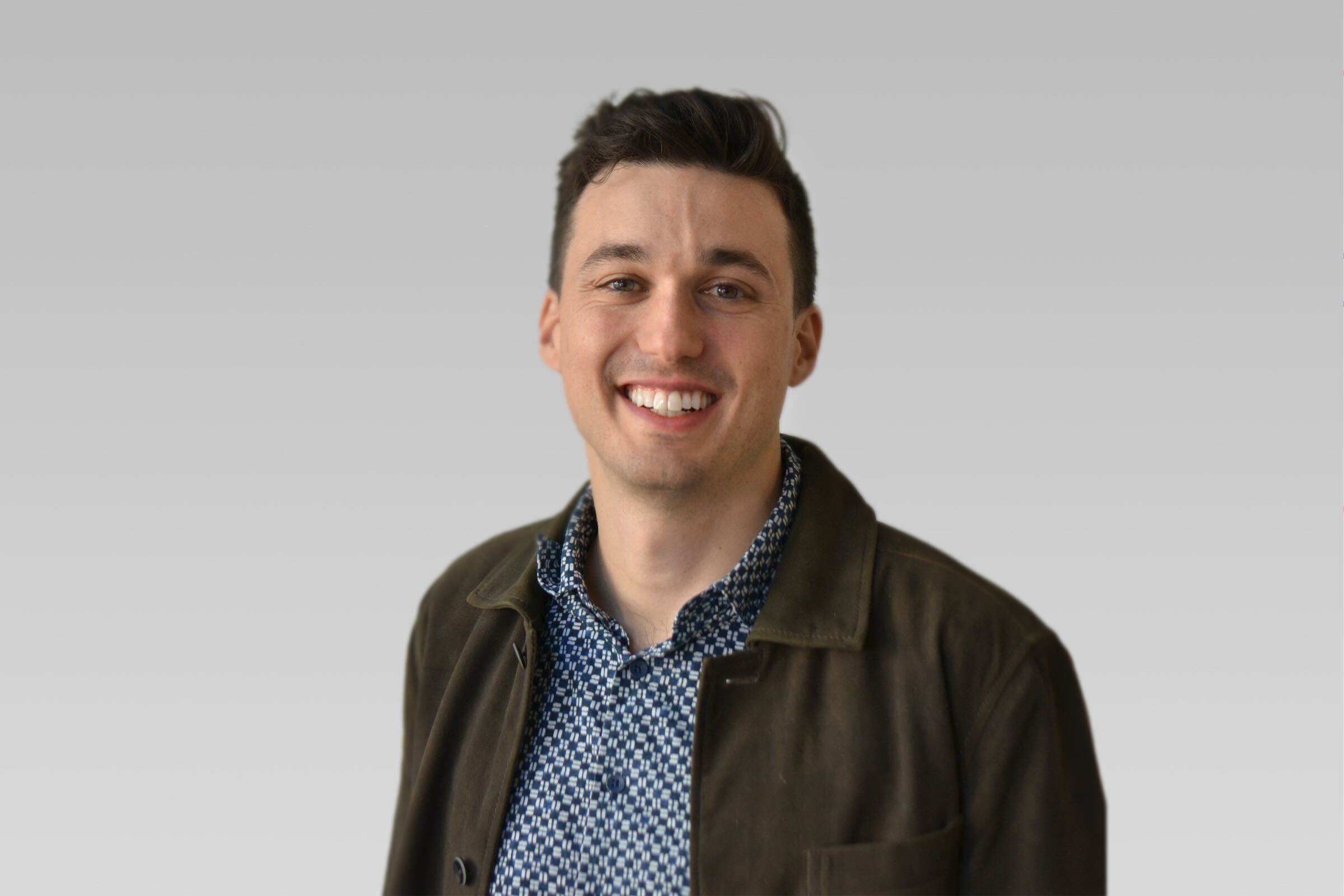
Anthony leads the development of decision support tools for sustainable natural resource projects related to clean energy and the discovery of critical minerals. He is also a visiting scholar at Stanford University. After getting his Ph.D at Stanford he served as executive director of the Stanford Center for AI safey where his research centered around algorithmic decision-making for safety-critical applications.

Markus has bridged development between academia and industry for over 20 years, as an Adjunct Professor at Stanford and an advisor in industry, advancing his research in modeling subsurface uncertainty into large-scale deployments for carbon storage, geothermal, and enhanced oil recovery projects. Markus completed his PhD in Petroleum Engineering at Stanford University.
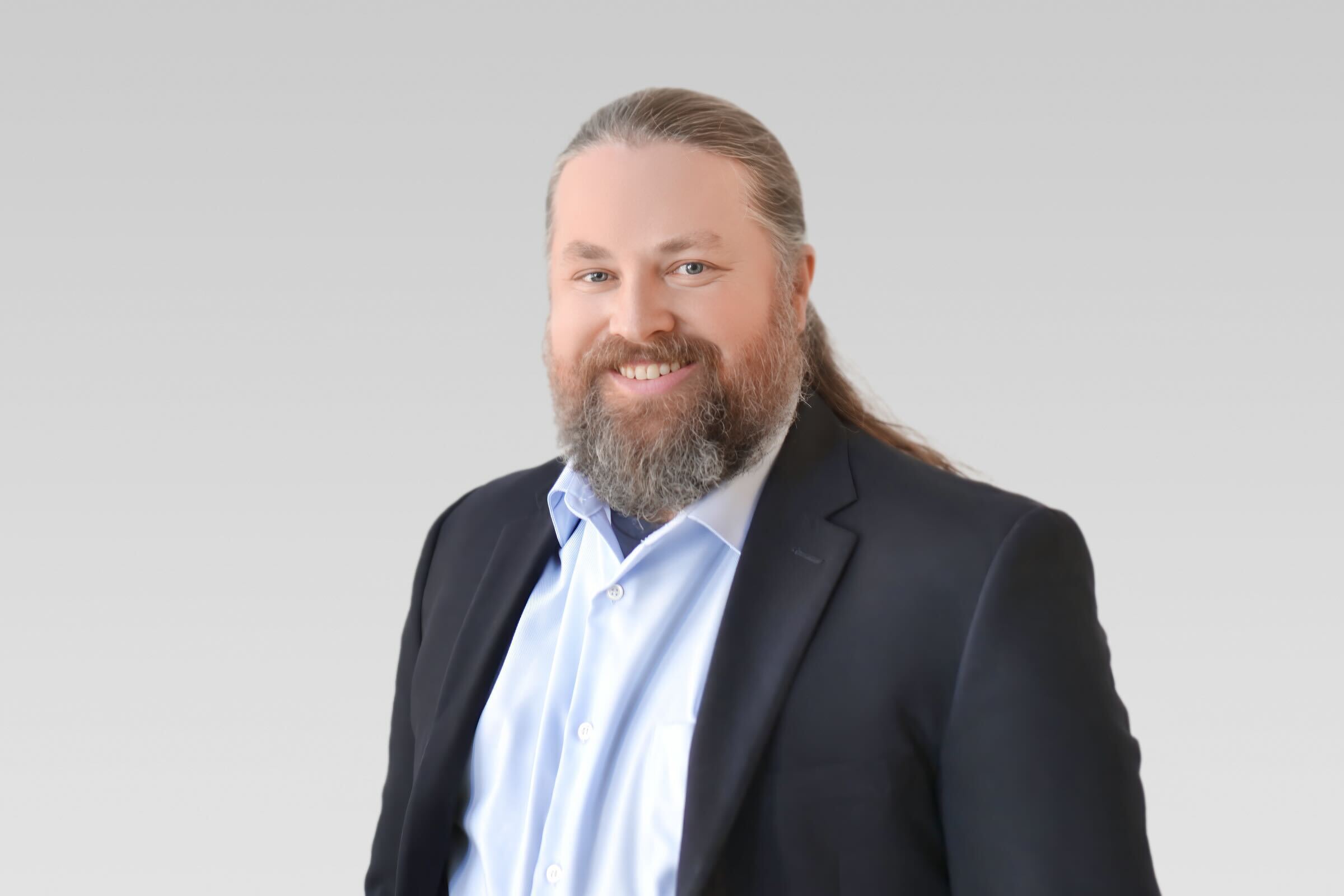
Alex is an exploration geologist in Earth and Planetary science focused on building a mechanistic understanding of the rock record. He served as a Campaign Science Lead on NASA's Mars Science Laboratory (Curiosity Rover) mission and continues on the science-operations team. He was previously an exploration geologist in the energy sector and guided early development of Google's Earth Engine platform. Alex completed his PhD in Earth and Planetary Sciences at UC Berkeley, where he is now a Visiting Scholar.
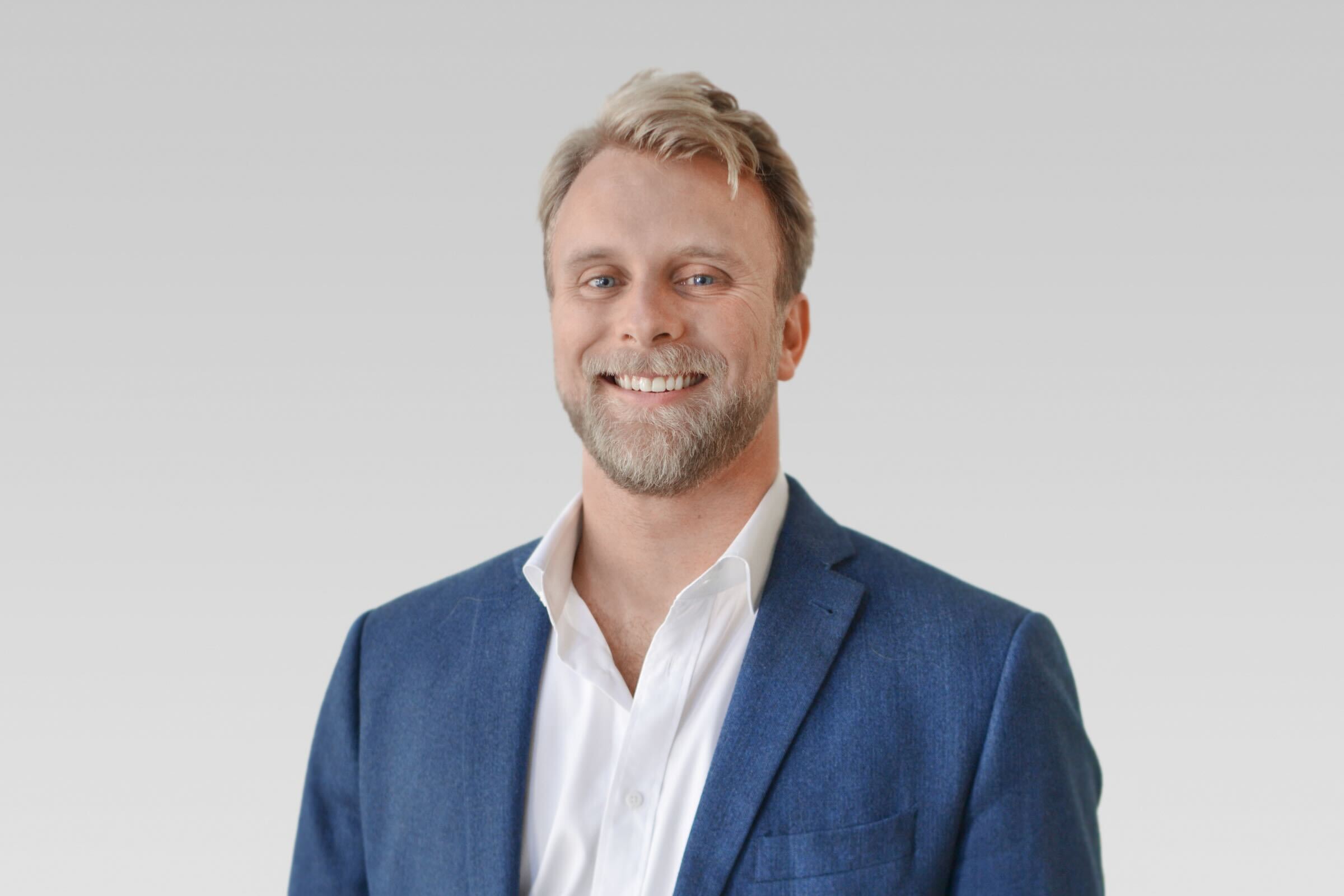
Danny is a geologist who advises FOs and PEs on mining sector transactions, builds the mining tech community, and promotes forward-thinking American minerals policy. Previously, he founded a seed-stage B2B logistics platform startup, after working in the finance and real estate sector. Danny received his BA in Geoscience from Williams College.
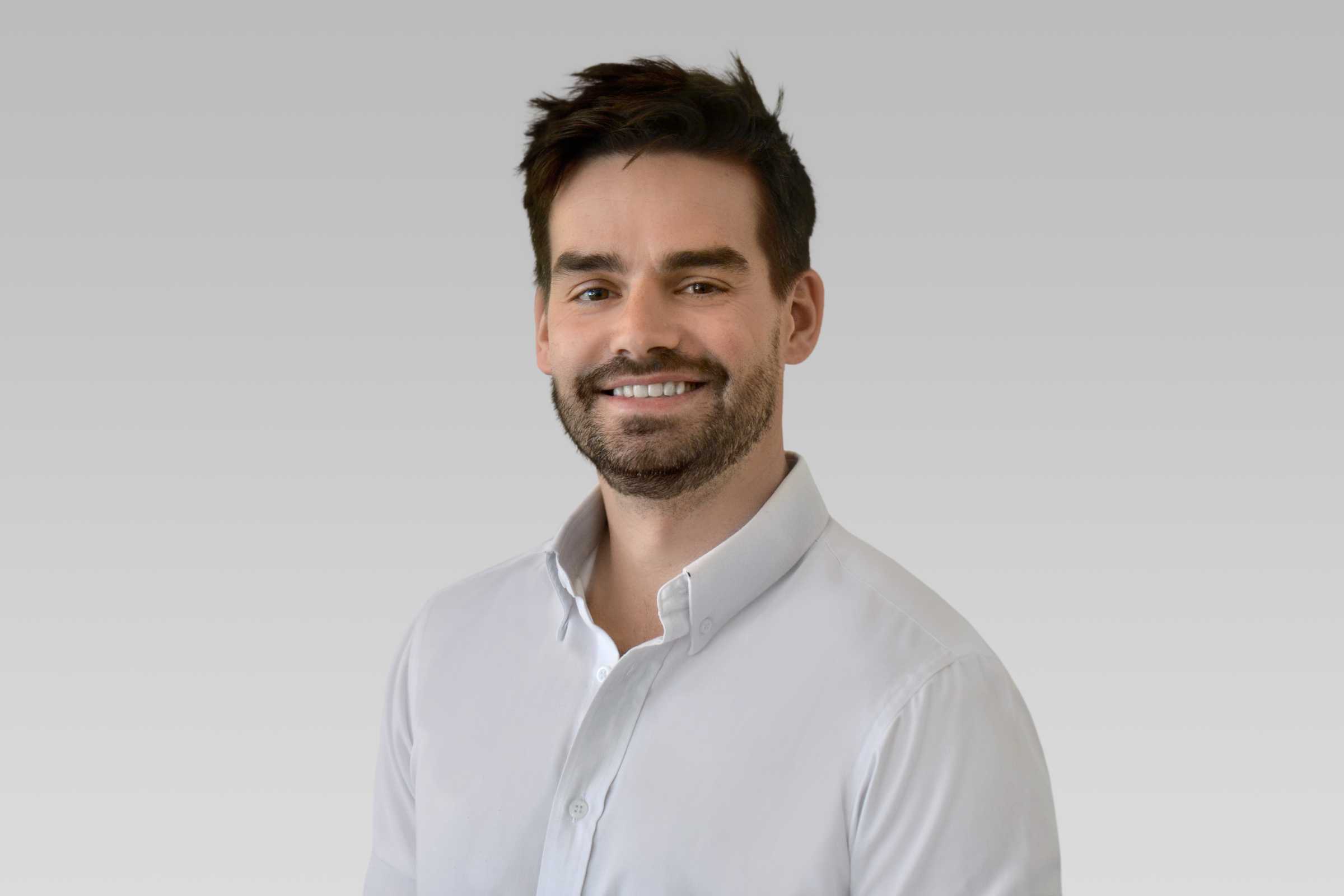
Jake pioneered the use of deep learning for gaze tracking on Meta’s Quest Pro and Google’s Galaxy XR virtual reality devices. He also was a ML engineer for geospatial intelligence and remote sensing applications in the defense and intelligence industry. Jake holds a MS in Materials Science and BS in Physics from Rochester Institute of Technology.
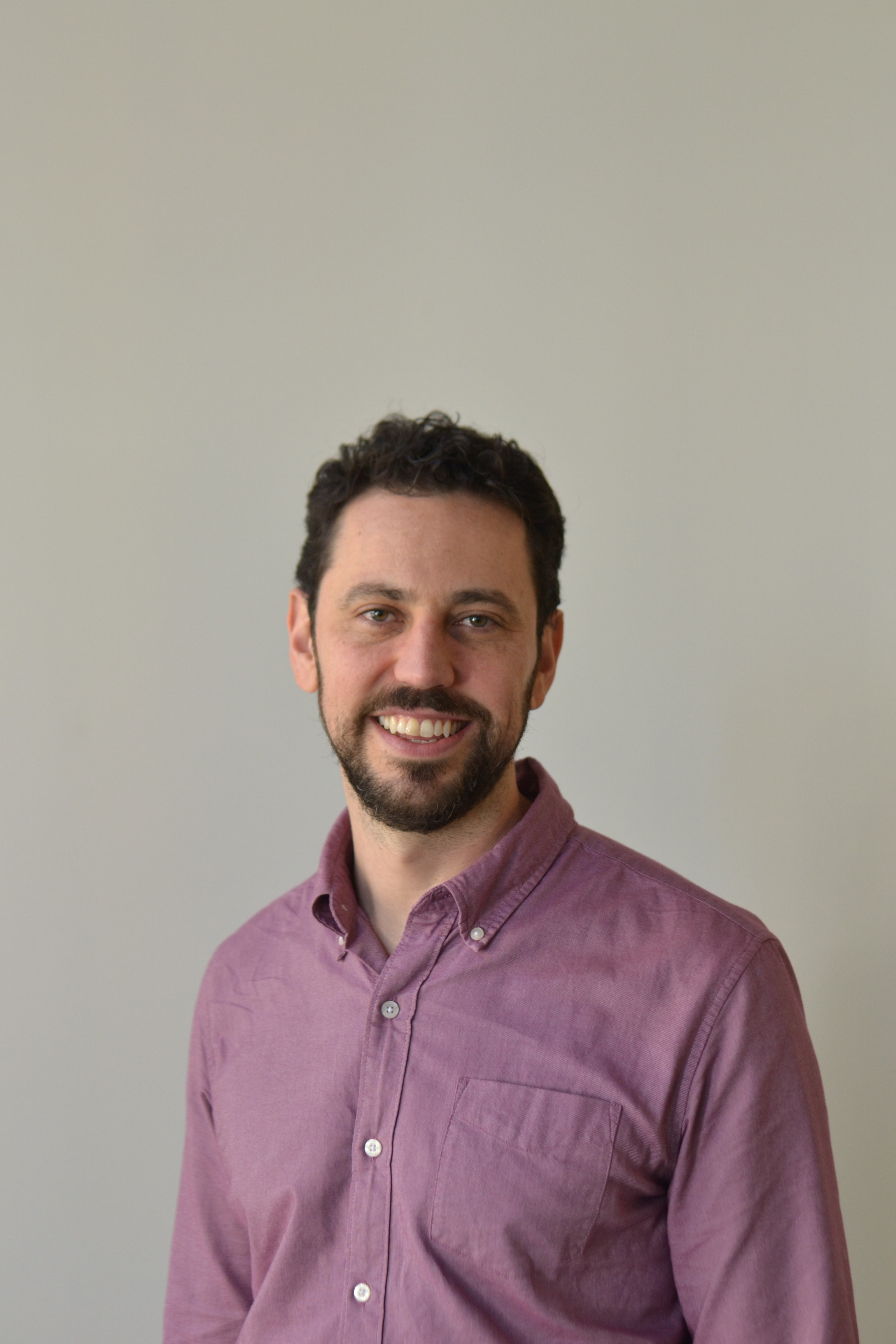
John developed and deployed subsurface software for over 15 years, working on commercial projects on 5 continents and at a Silicon Valley research center. He has 5 patents pending on the use of machine learning in reservoir engineering. John received his MSc in Petroleum Engineering from Heriot-Watt University and BEng in Chemical Engineering from McGill University.
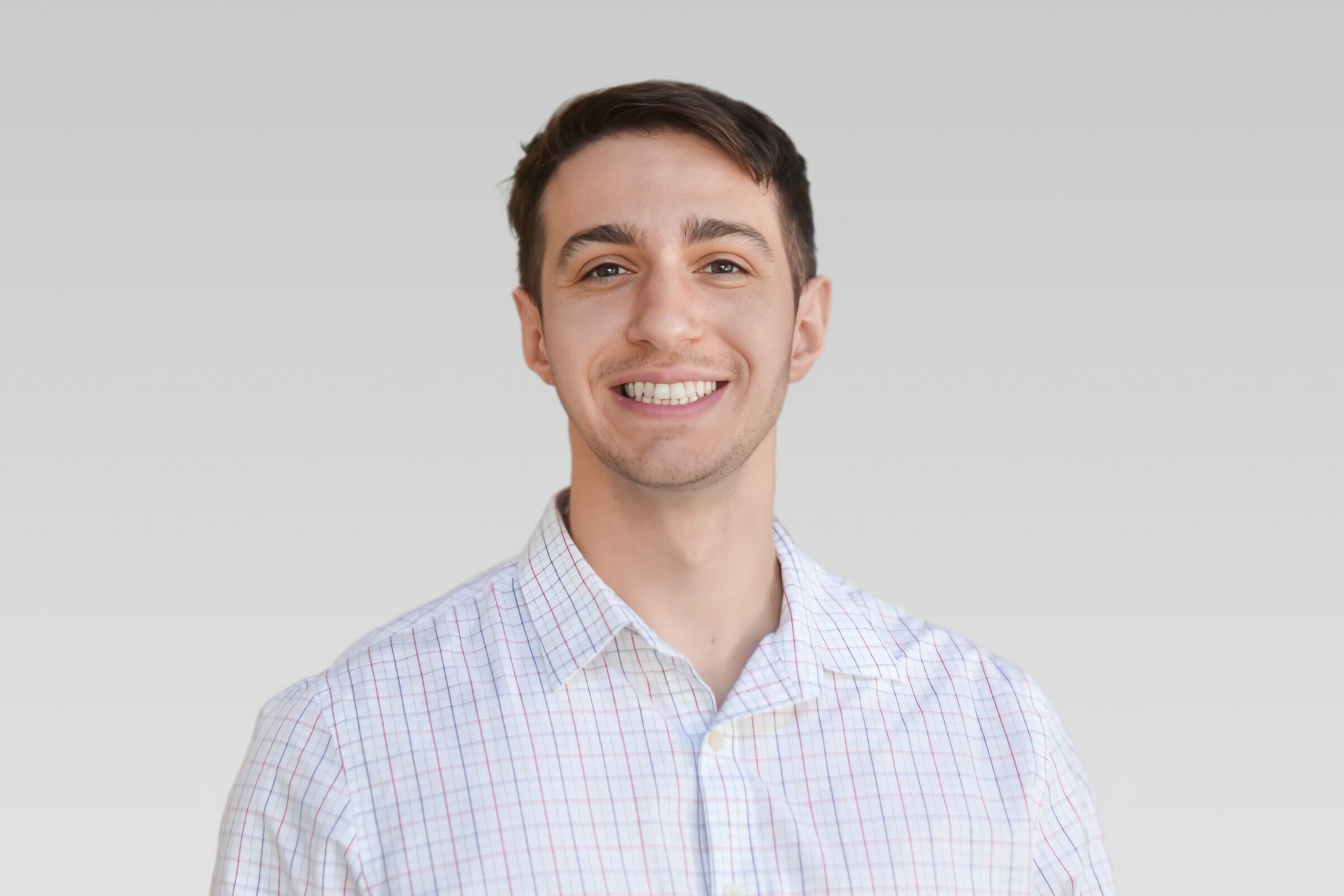
Arec developed decision-making and optimization approaches in aerospace systems, autonomous driving, and financial systems. Arec completed his PhD in Aeronautics and Astronomics as a member of the Stanford Intelligent Systems Lab (SISL), where he researched probabilistic machine learning, optimization, and control to enable automated decision-making in high-stakes domains like autonomous vehicles and energy systems.
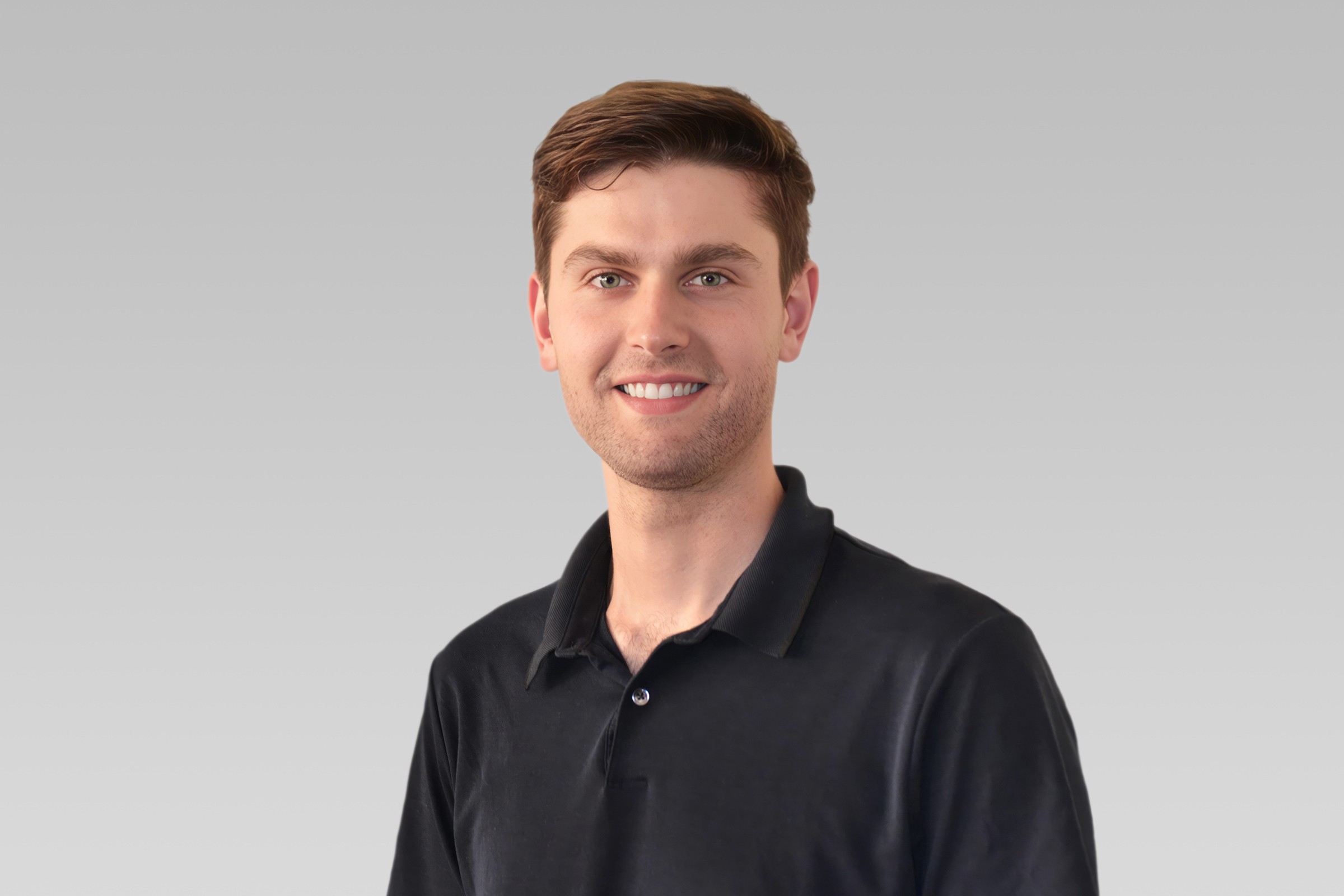
Harrison earned his PhD in Aeronautics and Astronautics at Stanford University with the Stanford Intelligent System Lab (SISL), where he researched Bayesian inference and generative modeling to evaluate the safety of complex autonomous systems. His industry experience includes autonomous decision making and safety validation in robotics and space applications.
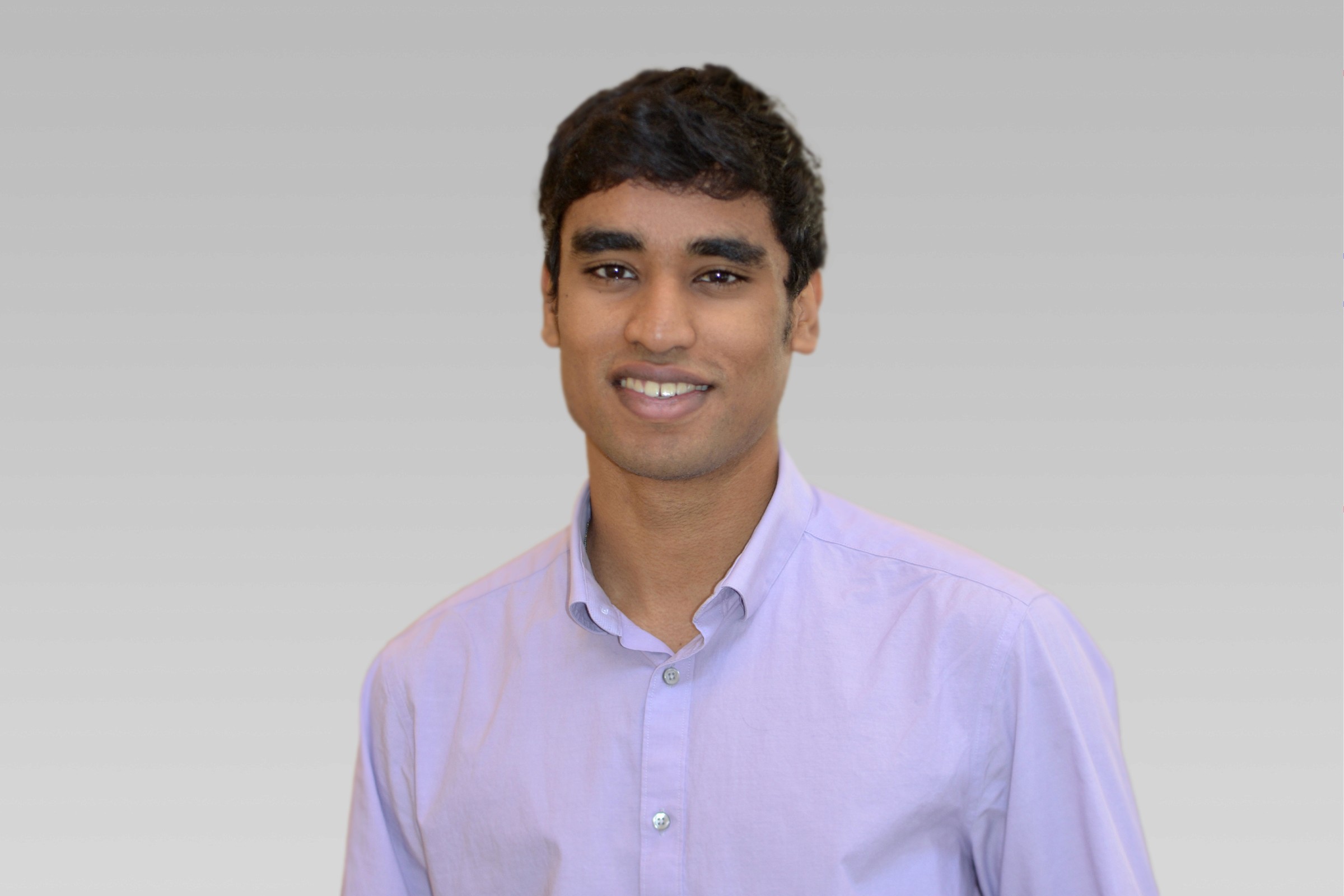
Richard researched machine learning techniques for subsurface imaging applications in carbon storage and mathematical approximations for broad applications at the Seismic Laboratory for Imaging and Modeling. Additionally, he has industry experience in energy, finance and medical imaging. Richard received his MS in Machine Learning at Georgia Institute of Technology.
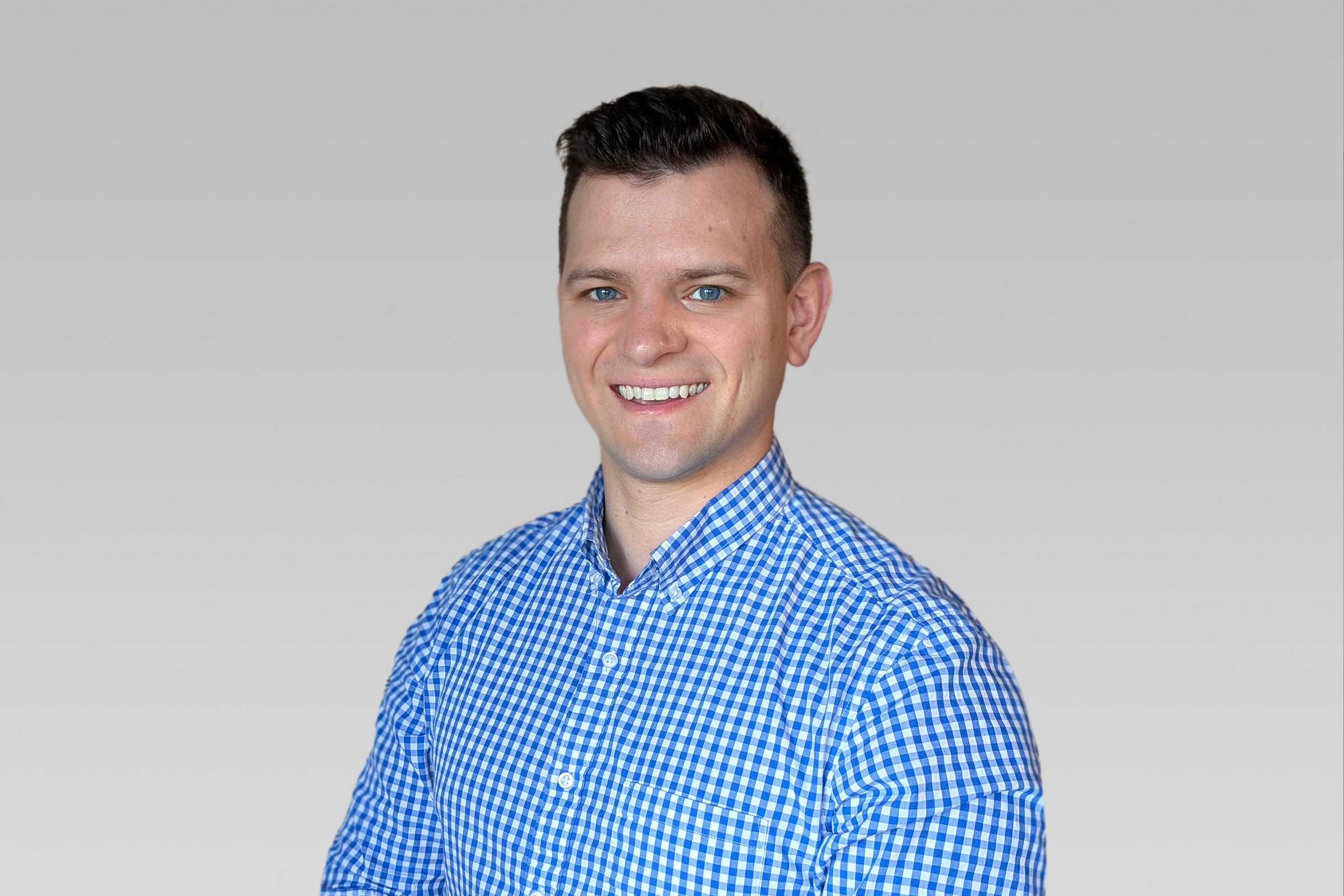
Kyle is an accomplished Engineering Manager with expertise in enterprise solution architecture and software development. He managed platform development at Nori Inc, a carbon removal marketplace, and did technology consulting for large scale data systems at Pariveda Solutions. He brings expertise in enterprise solution architecture and software development. Kyle received his BA in Electrical Engineering from University of Iowa.
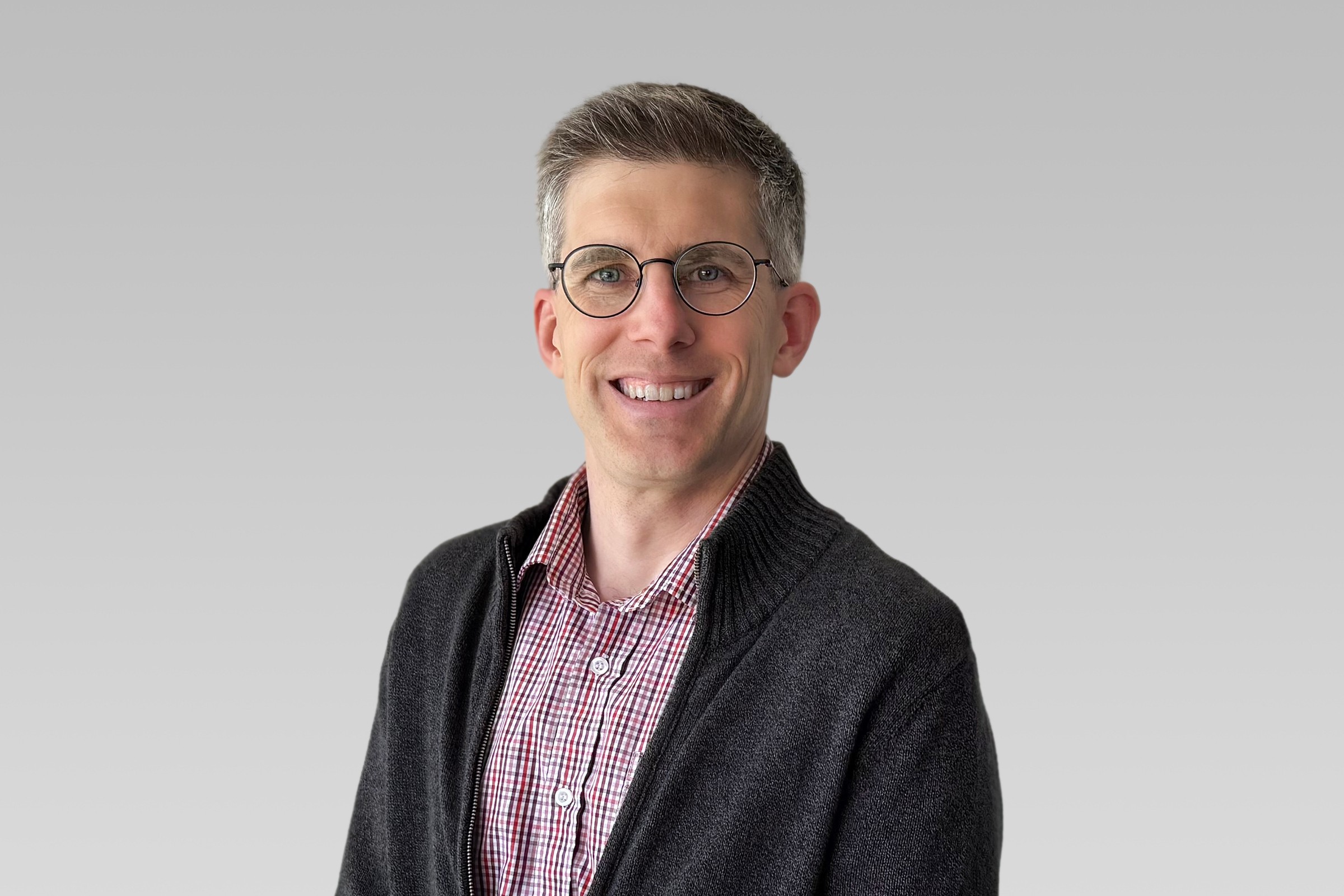
Brandon led strategy, project and technical program development across the carbon removal and international healthcare industries. He also scaled a technology consulting firm as a co-owner. He brings industry experience bridging software, data science, and mission-driven impact, particularly in the geospatial sensing and modeling industries. Brandon received his BS in Mathematics from University of Illinois at Urbana-Champaign.

Michael Lombardi has over a decade of industry experience in technology development for Silicon Valley and O&G companies. He holds a degree in Computer Science and is a Geophysics graduate from the University of Houston Earth and Atmospheric Sciences department. Michael brings industry experience in subsurface E&P, HPC, and data intensive cloud applications.
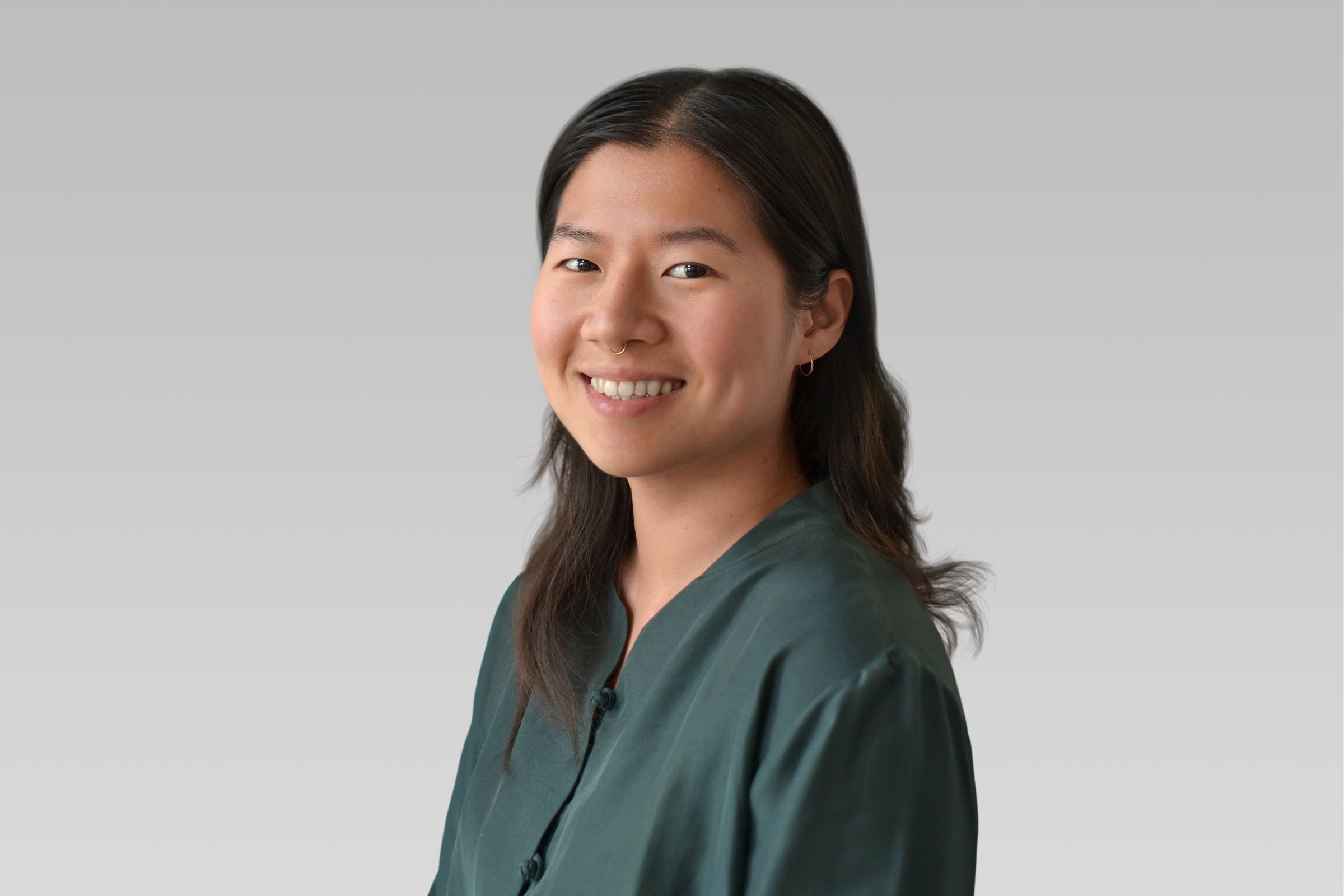
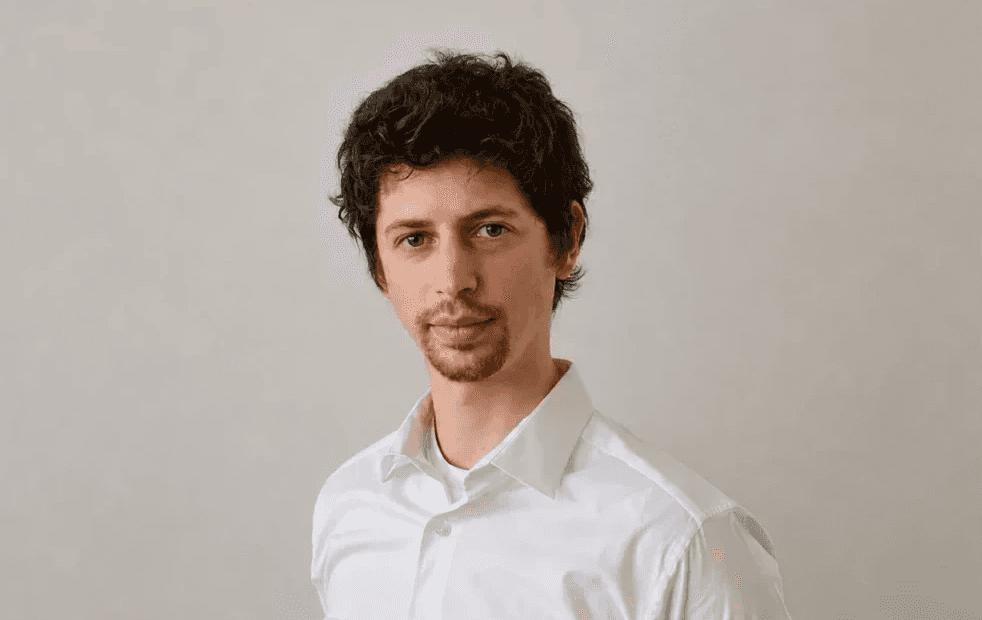
Tomer built autonomous driving systems for multi-agent motion prediction at Nissan. He also researched intelligent systems and decision-making for extreme environment projects at NASA. Tomer received his MS in Aeronautical and Astronautical Engineering from Stanford University with the Stanford Intelligent System Lab (SISL), where he worked on formal verification of neural networks.